
Cebu City
Core Identity:
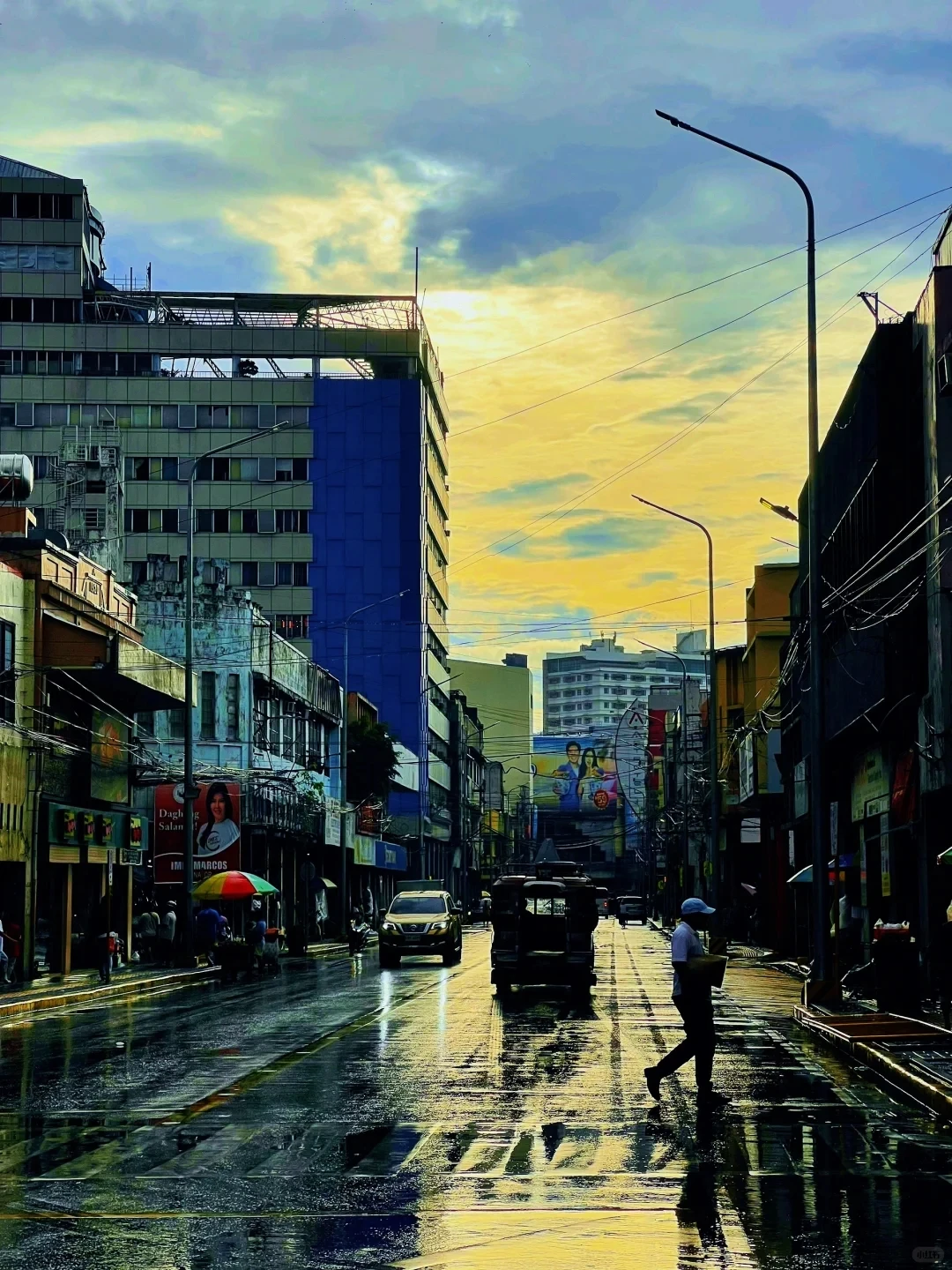
Second-largest city in the Philippines after Manila, serving as the capital of Cebu Province .
Oldest Philippine city, founded in 1565 by Spanish conquistadors .
Nickname: “Queen City of the South” for its historical prominence and economic vitality .
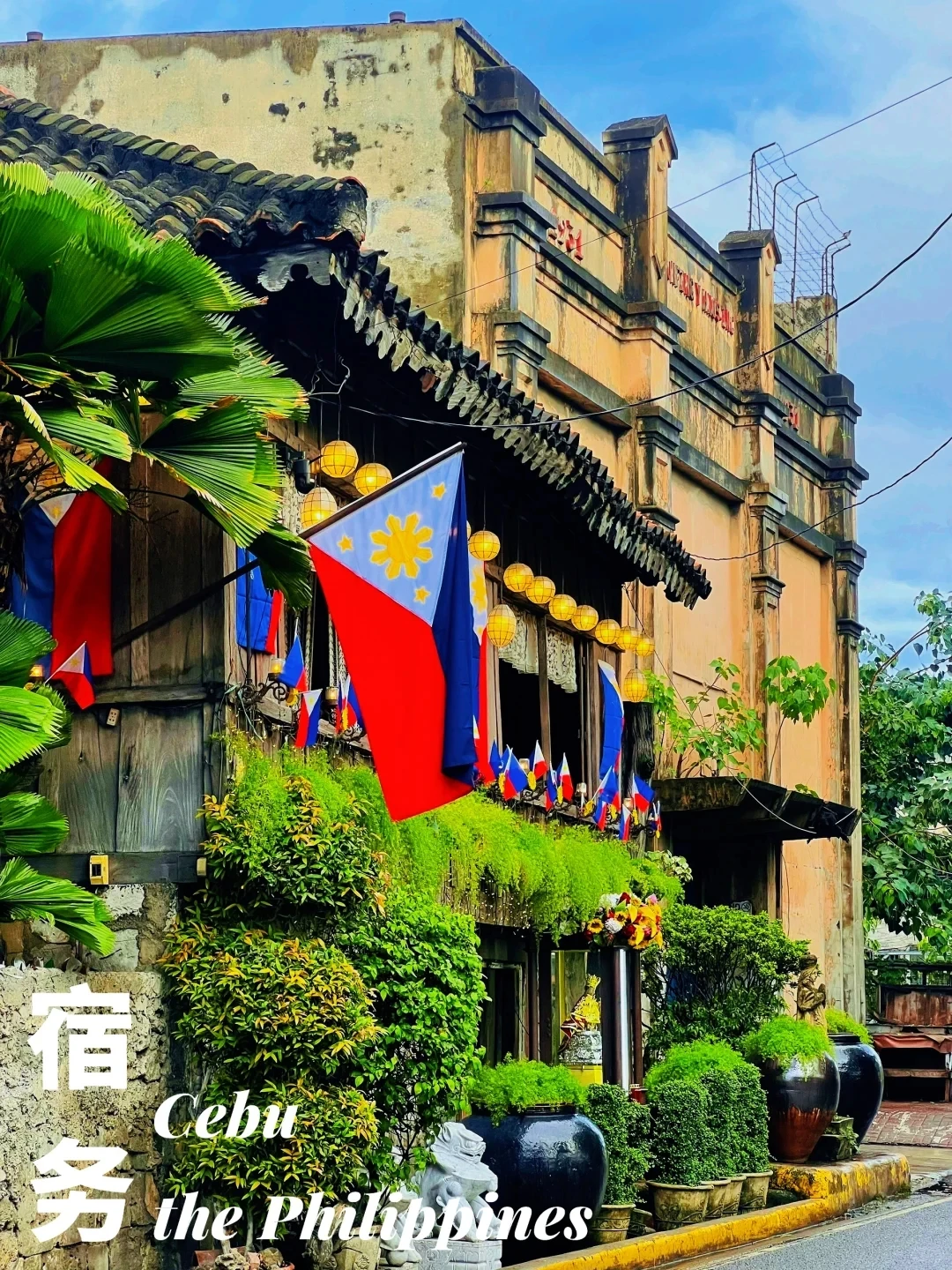
📍 Geography & Demographics
Location: Southeast coast of Cebu Island, Central Visayas .
Area: 340 km²; Population: ~960,000 (2020 census) .
Altitude: Coastal lowlands flanked by mountainous terrain
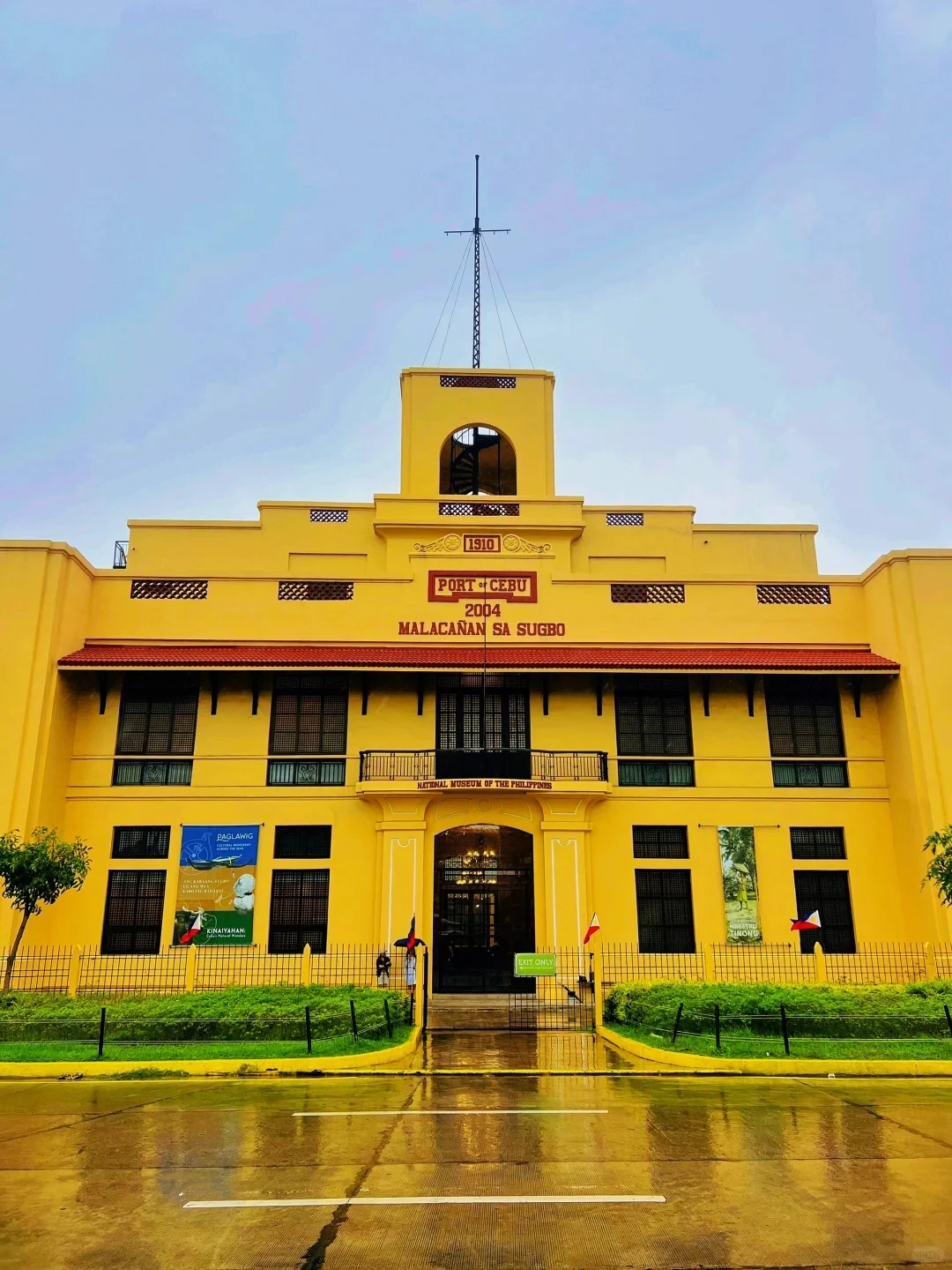
💼 Economic Significance
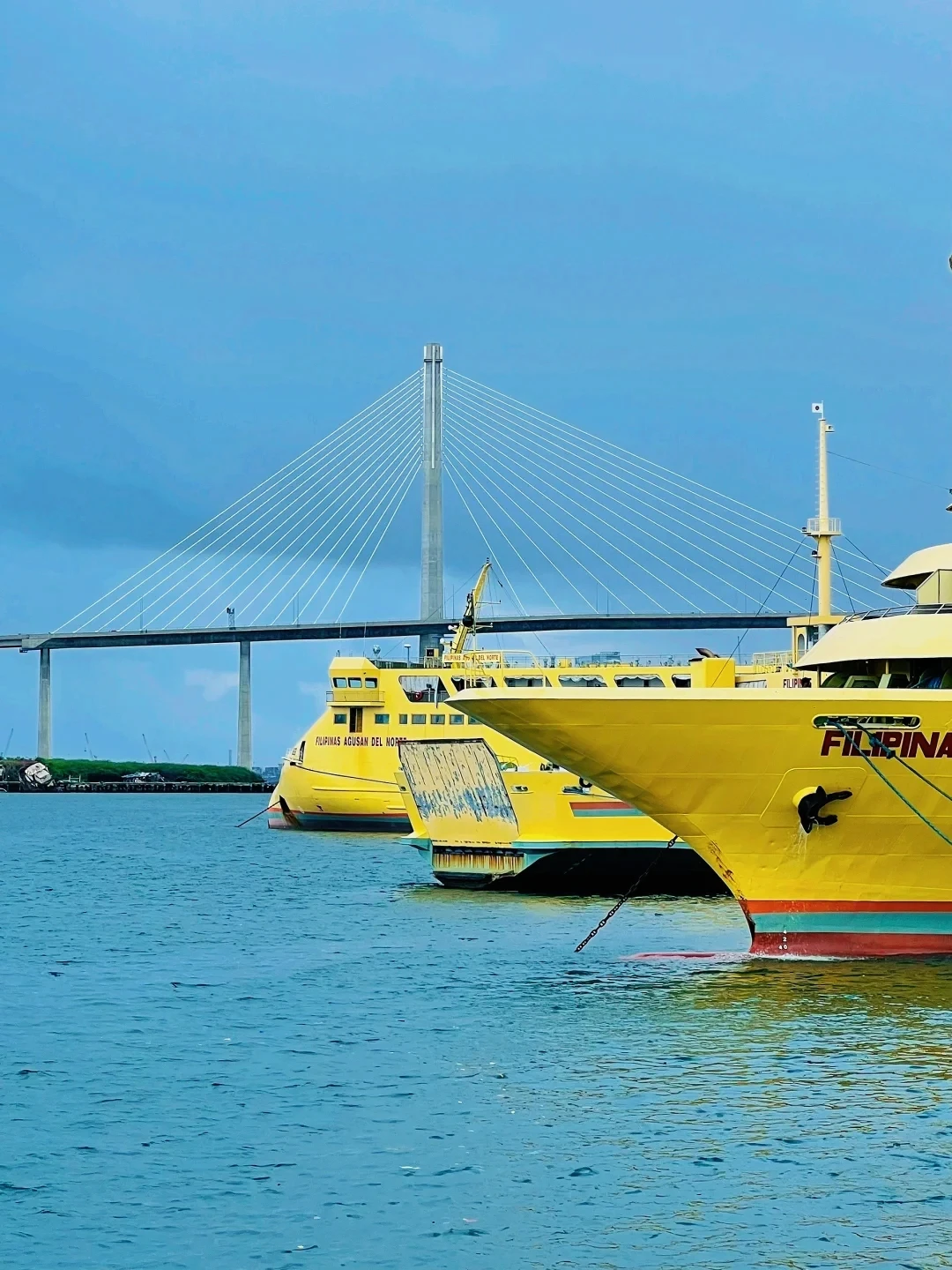
Primary international gateway for Central Philippines, hosting major seaport and Mactan-Cebu International Airport .
Industrial hub: Key sectors include shipping, tourism, mining (copper/gold), and IT services .
Natural advantage: Deep-water harbor handling 80% of domestic shipping traffic .
⛪ Historical & Cultural Landmarks
Magellan’s Cross: Marks the introduction of Christianity to the Philippines .
Basílica Minore del Santo Niño: Oldest Roman Catholic church, housing the revered Santo Niño de Cebu .
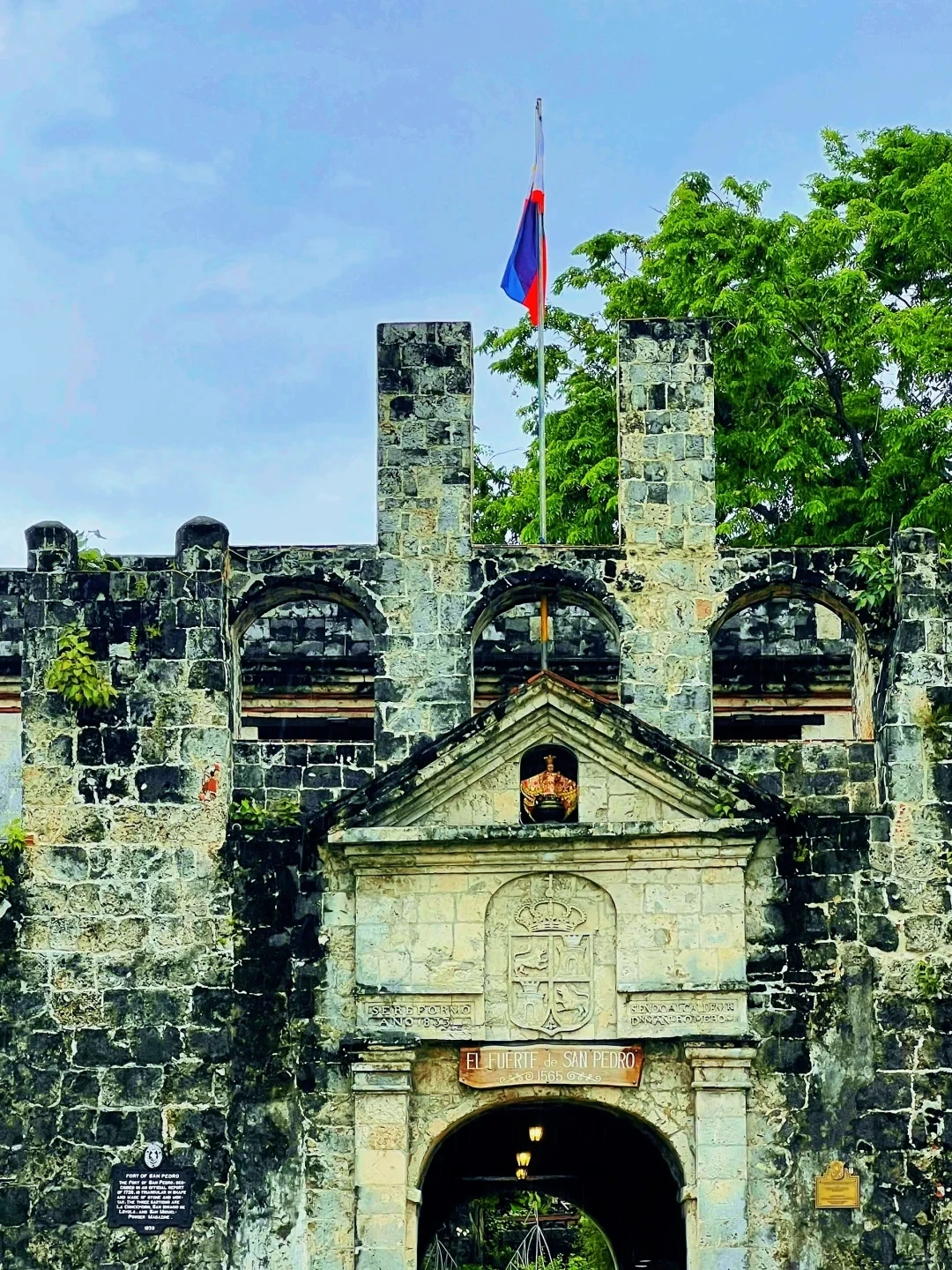
Fort San Pedro: 16th-century Spanish military fortress .
Taoist Temple: Chinese-Filipino heritage site in Beverly Hills .
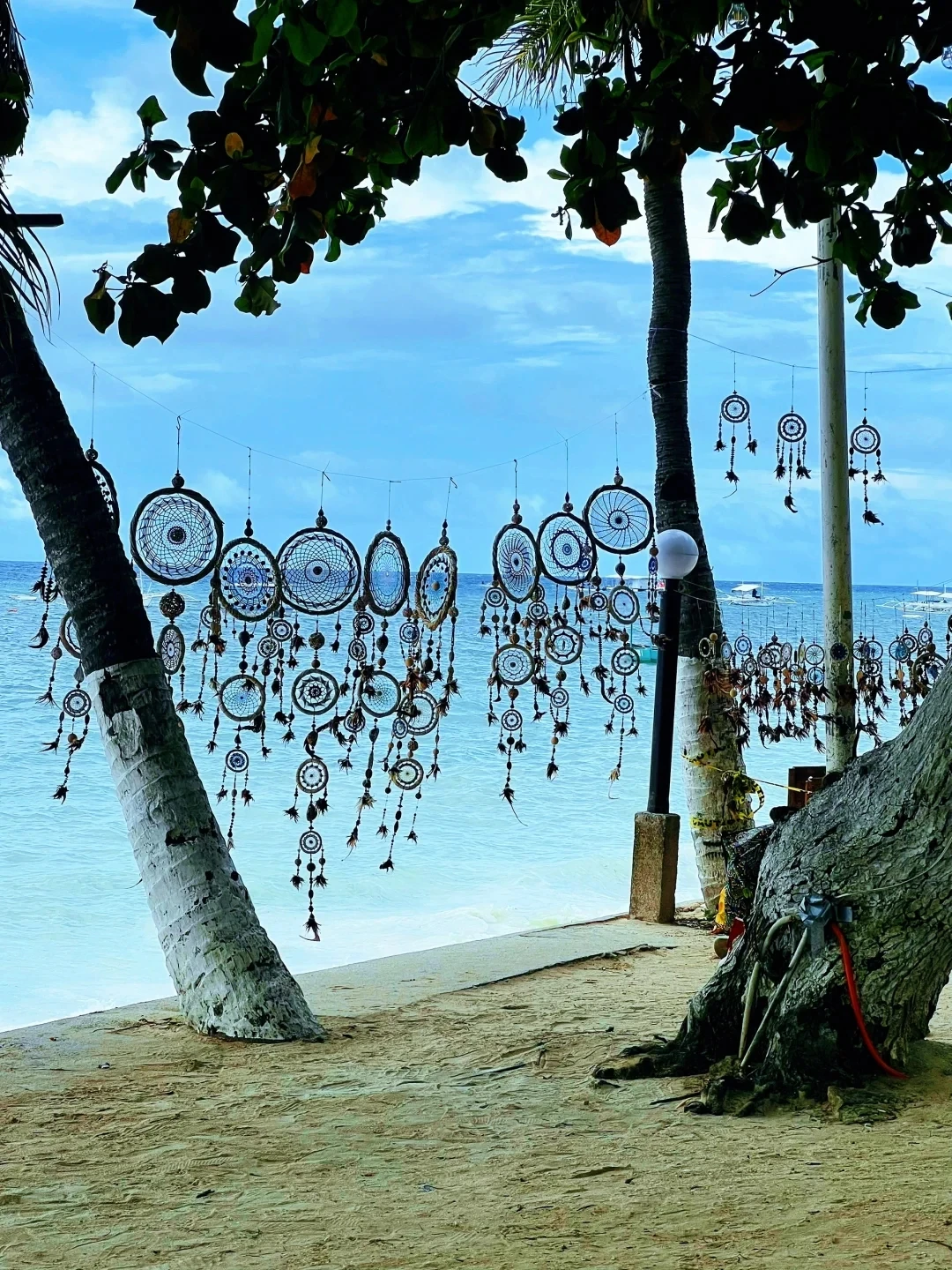
🌴 Tourism Highlights
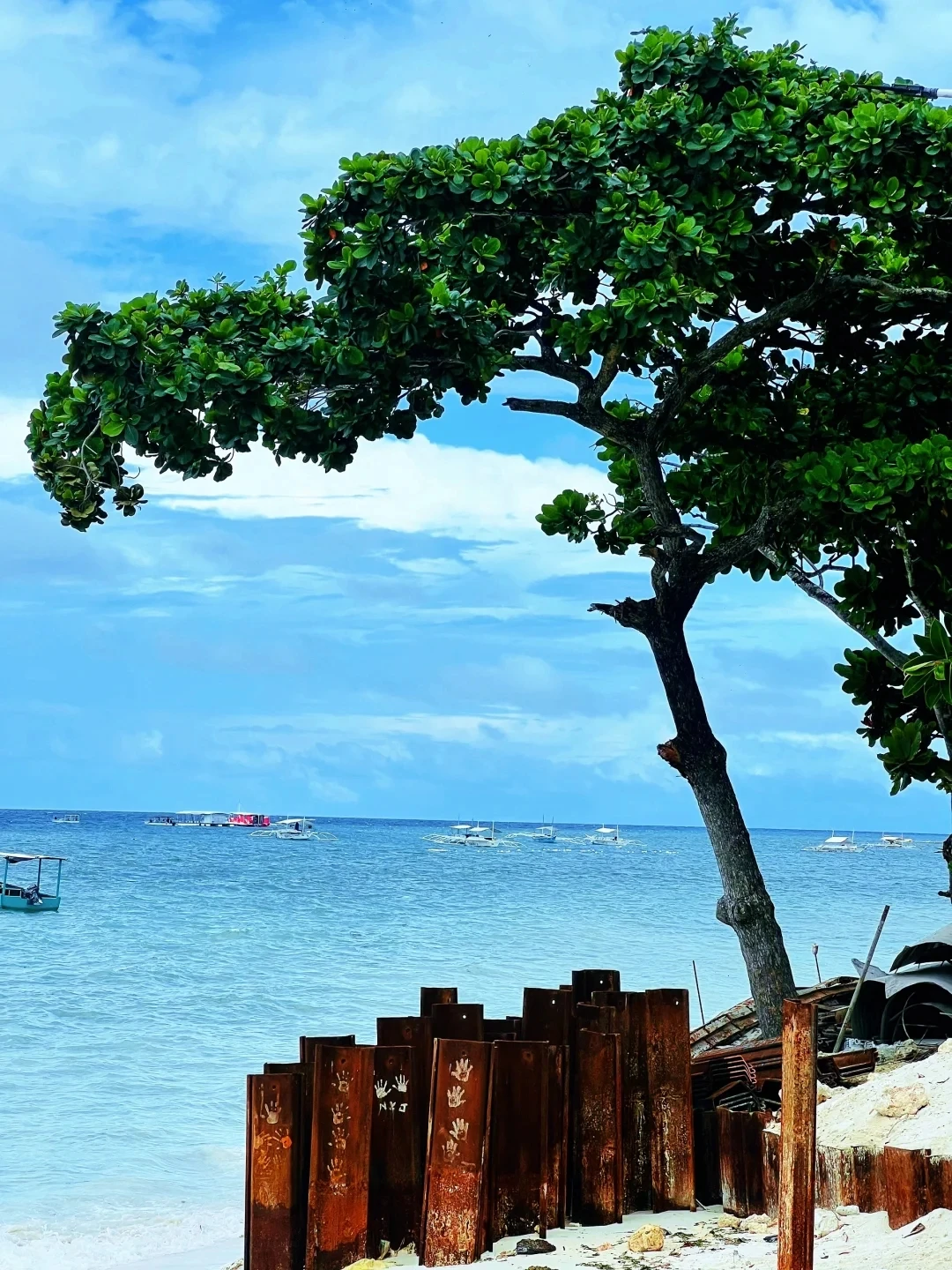
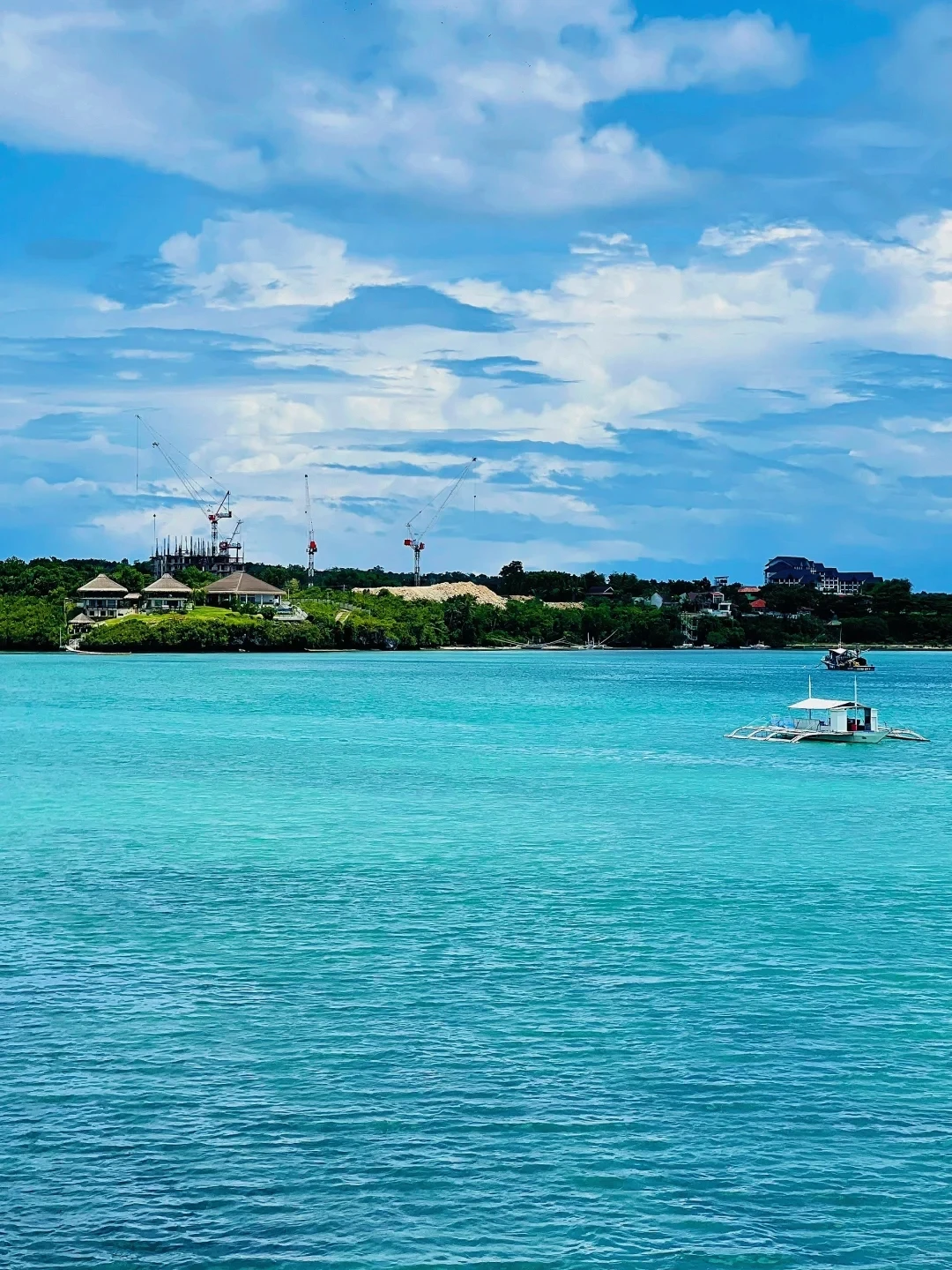
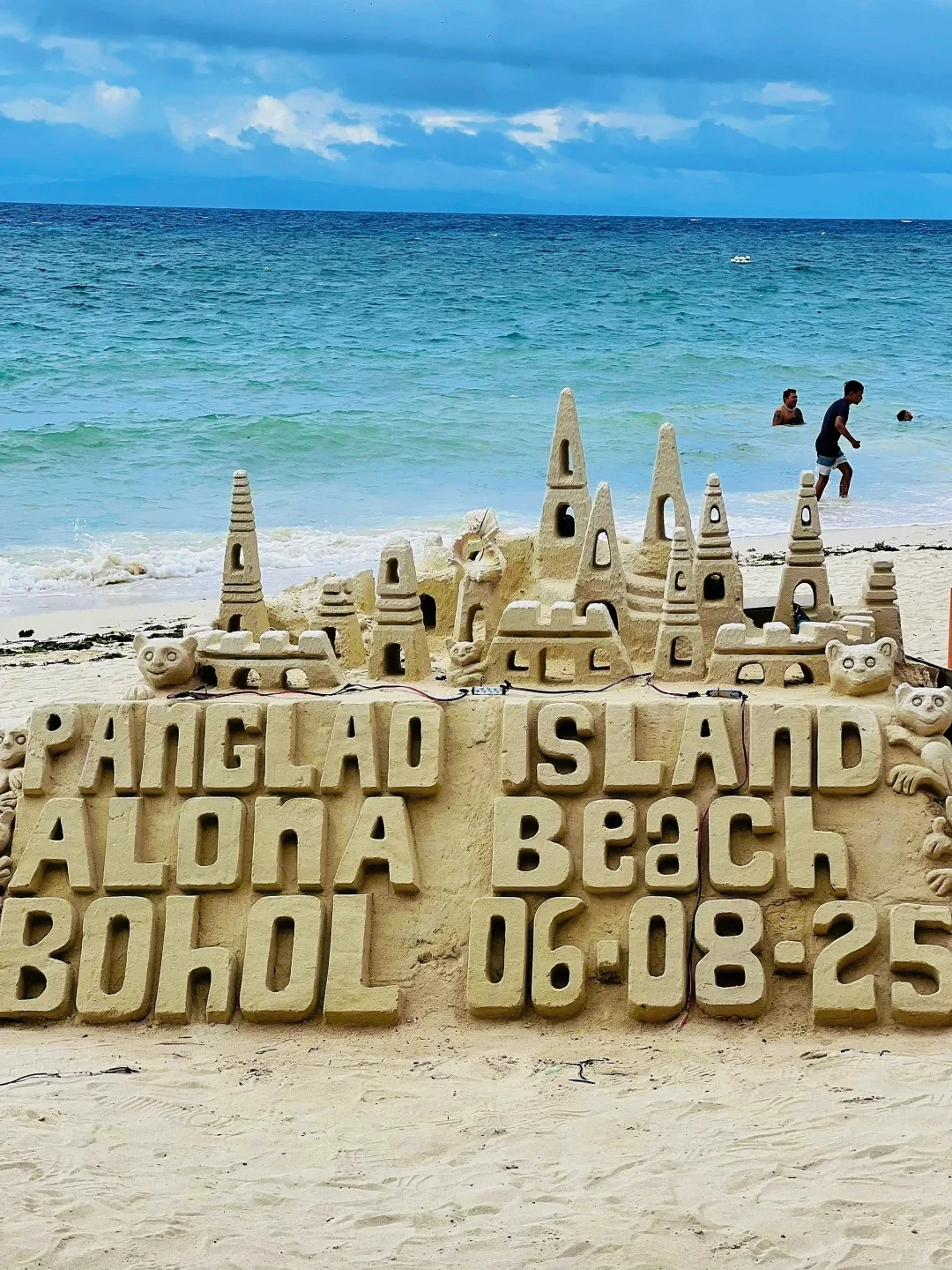
Proximity to islands: Access point to Bohol (chocolate hills), Mactan (resorts), and Moalboal (diving) .
Urban attractions:
Ayala Center Cebu & SM City Cebu: Premier shopping districts .
Sirao Flower Garden: “Mini Amsterdam” with vibrant floral displays .
Climate: Tropical, averaging 26.5°C; dry season (Jan-May), occasional typhoons Jun-Dec .
🌏 Governance & Language
Administration: Chartered city under Cebu Province, with autonomous governance .
Languages: Cebuano (vernacular), Filipino (Tagalog), English (business/education)
Resource Red Note